■問題PDF
令和7年度_学力検査問題過去問【宮城】- 英語
■目次
大問1
大問2
大問3
大問4
大問5
■大問1
1-1 1番:※放送内容は未掲載のため省略しております。
解答 : イ
1-1 2番:※放送内容は未掲載のため省略しております。
解答 : ア
1-2 1番:※放送内容は未掲載のため省略しております。
解答 : イ
1-2 2番:※放送内容は未掲載のため省略しております。
解答 : エ
1-3 1番:※放送内容は未掲載のため省略しております。
解答 : ア
1-3 2番:※放送内容は未掲載のため省略しております。
解答 : エ
1-3 3番:※放送内容は未掲載のため省略しております。
解答 : ウ
1-4:※放送内容は未掲載のため省略しております。
解答 : (例)You can write a message for them in Japanese.
■大問2
2-1(1):第二問次の1~3の問いに答えなさい。
1 次の(1)~(3)の二人の会話が成立するように、()に入る最も適切なものを、それぞれあとのア~エから1つ選び、記号で答えなさい。
(1) Customer: This bag is so cute. How () is it?
Clerk:It’s 3,000 yen.
ア many
イ much
ウ long
エ old
解答 : イ
解説 : Customer: This bag is so cute. How much is it? (このバッグ、とてもかわいいですね。おいくらですか?)
Clerk: It’s 3,000 yen. (3,000円です。)
★「How much」は、数えられないものの量を尋ねる場合や、値段を尋ねる場合に使われます。ここでは、値段を尋ねる最も適切な表現です。
ア many: 数えられるものの数を尋ねる時(例: How many apples do you have?)
イ much: 数えられないものの量や値段を尋ねる時(例: How much water is there? / How much is this bag?)
ウ long: 期間や長さを尋ねる時(例: How long does it take?)
エ old: 年齢や古さを尋ねる時(例: How old are you?)
2-1(2):(2) James:Where is Fumiya? I can’t find him.
Masaki:I think he is () soccer outside.
ア play
イ plays
ウ played
エ playing
解答 : エ
解説 : ames: Where is Fumiya? I can’t find him. (フミヤはどこ?見つけられないよ。)
Masaki: I think he is playing soccer outside. (彼は外でサッカーをしている最中だと思うよ。)
★空欄の直前に is (be動詞) があり、これは「be動詞 + 動詞−ing」の形で現在進行形を作る必要があります。したがって、動詞 play の現在分詞である playing が最も適切です。
現在進行形 (be動詞 + 動詞−ing): 今まさに、〜している動作や状態を表します。
ア play: 動詞の原形。この文法構造では使えません。
イ plays:三単現のsが付いた形。現在形(動詞なし) で習慣や事実を述べる時に使います。(例: He plays soccer every day.)
ウ played: 過去形 (〜した) や過去分詞(受動態や完了形などで使用)です。現在の動作を表す進行形には使えません。
2-1(3):(3) Child:Dad, look. My clock doesn’t ().
Father:Oh, maybe you should change the battery.
ア work
イ live
ウ see
エ stay
解答 : ア
解説 : Child: Dad, look. My clock doesn’t work. (パパ、見て。僕の時計が動かないよ。)
Father: Oh, maybe you should change the battery. (ああ、たぶん電池を替える必要があるね。)
機械や道具などが「機能する」「動く」「作動する」という意味で使われるのは、動詞の work です。否定文では「動かない」「故障している」という意味になります。
イ live: 生きる (人や動物)。時計には使いません。
ウ see: 見る。文脈に合いません。
エ stay: とどまる、滞在する。文脈に合いません。
2-2(1):2 次の(1)、(2)の二人の会話が成立するように、()内の語句を正しい順に並べかえ、(1)はア~エ、(2)はア~オの記号で答えなさい。ただし、文頭にくる語も小文字で示しています。
(1) Mr. Ono: (ア must イrun ウ not エ you )in the classroom,Adam. It’s dangerous.
Adam:I’m sorry, Mr. Ono. I’ll be careful.
解答 : エ→ア→ウ→イ
解説 : Mr. Ono: You must not run in the classroom, Adam. It’s dangerous.
(大野先生:アダム、教室の中を走ってはいけません。危ないですよ。)
Adam: I’m sorry, Mr. Ono. I’ll be careful.
(アダム:ごめんなさい、大野先生。気をつけます。)
これは、禁止を表す助動詞 must not を使った文です。
1主語 (S): you (エ)
2助動詞 (must): must (ア)
3否定 (not): not (ウ)
4動詞の原形 (V): run (イ)
語順: S + must not + V (原形)
2-2(2):(2) Michiko:Do you (ア it イ what ウ know エis オtime)in London now? I want to call my aunt there.
Linda:Well, I think it’s about 7 a.m.
解答 : ウ→イ→オ→ア→エ
解説 : Michiko: Do you know what time it is in London now? I want to call my aunt there.
(ミチコ:今、ロンドンの何時か知っていますか? そこにいるおばに電話したいの。)
Linda: Well, I think it’s about 7 a.m.
(リンダ:ええと、たぶん午前7時くらいだと思うわ。)これは、「〜は何か知っていますか?」と尋ねる間接疑問文です。
まず、相手に知っているかどうかを尋ねる “Do you know” (ウ) を置きます。
その後に続く疑問文は、通常の疑問文の語順 (動詞 + 主語) ではなく、「疑問詞 + 主語 (S) + 動詞 (V)」の語順になります。
疑問詞: what time (イ, オ)
主語 (S): it (ア)
動詞 (V): is (エ)
したがって、「what time it is」という語順になります。
2-3(1):3 次のチラシは、けやき市 (Keyaki City) が開催するイベントについてのものです。これを読んで、あとの(1)、(2)の ()に入る最も適切なものを、それぞれア〜エから1つ選び、記号で答えなさい。
〔チラシの一部〕
International Day 2025
Enjoy cultures of various countries!
DATE:Sunday, May 11
TIME:10 a.m.~4 p.m.
PLACE:Keyaki City International Center
Area A: FOOD
・Curry (India)
・Hamburgers (America)
・Fish and chips (the U.K.)
Area B: PERFORMANCE
・Dance (Brazil) 10 a.m.~11 a.m.
・Drums (Japan) 1 p.m.∼2 p.m
・Chorus (Kenya) 3 p.m.∼4 p.m
Area C: ACTIVITY
・Wearing traditional clothes of New Zealand
・Making origami
Area D: MARKET
・Colorful bags produced in South Africa
・Kitchen goods around the world
(1) If you want to get something to eat, you should go to ().
ア Area A
イ Area B
ウ Area C
エ Area D
解答 : ア
解説 : 質問は「何か食べるものが欲しいなら、どこに行くべきですか (If you want to get something to eat, you should go to ().)」という内容なので、食べ物を提供する Area A が最も適切です。
・Area A: FOOD (食べ物)
Curry (India), Hamburgers (America), Fish and chips (the U.K.) など、食事が提供されます。
・Area B: PERFORMANCE (公演)
・Area C: ACTIVITY (体験)
・Area D: MARKET (市場・販売)
2-3(2):(2) At the event, you can ().
ア watch dance performance in the afternoon
イ try Brazil’s national food
ウ buy bags made in South Africa
エ borrow Japanese traditional clothes
解答 : ウ
解説 : MARKET (市場) の項目に、「Colorful bags produced in South Africa (南アフリカで生産されたカラフルなバッグ) 」と記載があります。
したがって、南アフリカ製のバッグを買うことができます。
ア Area B の Dance (Brazil) は 10 a.m. ∼11 a.m. で、午前中です。
イ Area A の FOOD にブラジル料理の記載はなく、Area B の Dance (Brazil) は公演です。
エ 「Area C の ACTIVITY」 にあるのは 「Making origami と Wearing traditional clothes of New Zealand (ニュージーランドの伝統衣装を着ること)」です。日本の伝統衣装を借りる記載はありません
■大問3
3-1:第三問次の英文は、高校生の拓真 (Takuma)が、英語の授業でスピーチをしたときのものです。
この英文を読んで、あとの1~5の問いに答えなさい。
Today, I’ll talk about how I changed my daily life.
Before, I often got up late in the morning. I went to school after having a small breakfast, and I was sometimes sleepy at school.
One day in July, I found that my friend, Satoshi, was always *energetic at school.I asked him,”Satoshi, you look great every day. Do you do anything special?”He said, “I get up at five and study before breakfast. After spending the morning time for studying, I feel great all day.”I was surprised. Every day, he used ①it effectively and had a good start for the day!
I wanted to do something to have a better daily life, too, and I got an idea. Every October, our school has a *marathon race. Last year, I sometimes walked during the race.This time, I wanted to run through it. I said to my parents, “I’ll get up early and go jogging every morning.” They were surprised to hear ②my decision, but after I talked about the reason, my father smiled. He said, “Takuma, your challenge may be tough, but you’ll get a good *habit if you continue doing it.”
I started jogging the next morning. At first, I was often sleepy, and didn’t want to get out of bed. “I can’t keep doing this,” I thought many times. But my parents supported my challenge by encouraging me before my jogging every day. “I won’t give up,” I said to myself and continued jogging. A month later, I started to feel that getting up early was not so difficult. I ate more for breakfast every day. At school, I felt more energetic than before.
Two months went by and the day of the marathon race came. It was hard, but I finished it without walking! Now, I still run every morning. I’m proud that I’ve been doing it for a long time. I realized that if we continue to do something, we can create a habit that gives us brighter days. Now, how about taking action for your better daily life?
<注> *energetic 活気に満ちた *marathon race マラソン大会 *challenge 挑戦*habit 習慣 *give up あきらめる *proud that~~ということを誇りに思って
1 下線部①が示す内容として最も適切なものを、次のア〜エから1つ選び、記号で答えなさい。
ア school
ウ the morning time
イ breakfast
エ a good start
解答 : ウ
解説 : 【本文の日本語訳】
今日は、私がどのように日常生活を変えたかについてお話しします。以前、私は朝よく寝坊していました。軽い朝食をとってから学校に行き、学校では時々眠いと感じていました。
7月のある日、私は友人の聡(Satoshi)が学校でいつも活気に満ちていることに気がつきました。私は彼に尋ねました。「聡、君は毎日とても元気そうだね。何か特別なことをしているの?」彼は言いました。「僕は5時に起きて、朝食前に勉強しているんだ。朝の時間を勉強に費やした後は、一日中気分がいいんだよ。」私は驚きました。彼は毎日、その時間を効果的に使い、良い一日のスタートを切っていたのです!
私もより良い日常生活を送るために何かをしたいと思い、ある考えが浮かびました。私たちの学校では毎年10月にマラソン大会があります。去年、私はレース中に時々歩いてしまいました。今度は、最後まで走り切りたいと思いました。私は両親に言いました。「毎朝早起きしてジョギングに行くよ。」両親は私の決意を聞いて驚きましたが、私が理由を話すと、父は微笑みました。父は言いました。「拓真、お前の挑戦は大変かもしれないが、それを続けるなら良い習慣が身につくだろう。」
私は次の日の朝からジョギングを始めました。最初はよく眠くて、ベッドから出たくないと思うこともしばしばでした。「こんなこと、続けられない」と何度も思いました。しかし、両親は毎日ジョギング前に私を励まして、私の挑戦を支えてくれました。「諦めないぞ」と自分に言い聞かせ、ジョギングを続けました。一ヶ月後、早起きはそれほど難しくないと感じ始めました。毎朝、朝食をもっと食べるようになりました。学校では、以前よりもっと活気があると感じるようになりました。
二ヶ月が過ぎ、マラソン大会の日が来ました。きつかったけれど、歩かずに完走しました!今でも、私は毎朝走り続けています。長い間それを続けていることを誇りに思っています。何かを続けて行えば、より輝かしい日々をもたらす習慣を作り出せるということに気づきました。さあ、皆さんもより良い日常生活のために行動を起こしてみてはいかがですか?
下線部①の it は、直前の聡(Satoshi)の行動を説明している部分を受けています。
聡のセリフ: “I get up at five and study before breakfast. After spending the morning time for studying, I feel great all day.”
そして、拓真は次のように続けています: “Every day, he used it effectively and had a good start for the day!”
この文脈から、「彼が効果的に使った」ものは、聡が「勉強のために費やした朝の時間 (the morning time)」であるとわかります。したがって、①は the morning time を指しています。
3-2:2 下線部②が示す具体的な内容を、本文中から探して日本語で書きなさい。
解答 : (例)毎朝早く起きて、ジョギングに行くこと。
解説 : 下線部②の「my decision (私の決意)」は、拓真が両親に話した内容を指しています。
拓真のセリフに”I said to my parents, “I’ll get up early and go jogging every morning.”とあるので、この「毎朝早起きしてジョギングに行く」という宣言が、両親を驚かせた具体的な決意の内容です。
3-3:3 次の質問に対する答えを、本文の内容に合うように英語で書きなさい。
What did Takuma’s parents do to support his challenge?
解答 : (例)They encouraged him before his jogging every day.
解説 : 質問:What did Takuma’s parents do to support his challenge?
(拓真の両親は、彼の挑戦を支援するために何をしましたか?)
「But my parents supported my challenge by encouraging me before my jogging every day.」とあるので、解答は、
They encouraged him before his jogging every day.となります。
3-4:4 次のア~オを拓真のスピーチの流れに合うように並べかえ、記号で答えなさい。
ア Takuma’s way of spending time started to change.
イ Takuma kept running through the marathon race.
ウ Takuma was satisfied with his long efforts to make a new habit.
エ Takuma learned how his friend spent the morning time.
オ Takuma didn’t eat much for breakfast in the morning.
解答 : オ→エ→ア→イ→ウ
解説 :
オ Takuma didn’t eat much for breakfast in the morning.(拓真は朝、朝食をあまり食べませんでした。)
→これはスピーチの最初、変化する前の拓真の生活を表しています。
エ Takuma learned how his friend spent the morning time.(拓真は友人が朝の時間をどのように過ごしているかを知りました。)
→拓真が聡の生活を知り、変化のきっかけを得た場面です。
ア Takuma’s way of spending time started to change.(拓真の時間の使い方が変わり始めました。)
→聡の話を聞いた後、「早起きしてジョギングに行く」という新しい習慣を始めた段階です。
イ Takuma kept running through the marathon race.(拓真はマラソン大会を走り続けました。)
→ジョギングを続けた成果として、大会で歩かずに完走できた段階です。
ウ Takuma was satisfied with his long efforts to make a new habit.(拓真は新しい習慣を作るための長い努力に満足していました。)
→スピーチの結びとして、今もジョギングを続けていることや、努力を誇りに思っているという結論を述べている部分です。
3-5:5 次の英文は、拓真のスピーチを聞いた生徒が書いたコメントです。本文の内容をふまえて、「」に入る最も適切なひとつづきの英語4語を、本文中から抜き出して書きなさい。
From your speech, I learned how to improve our daily lives.
You said that it is important for us to「」because we can make a good habit as a result of doing that. I also want to make my daily life better, so I will read books every day to create my own habit.
解答 : continue to do something
解説 : この問題は、「拓真のスピーチで一番伝えたかったことは何?」と聞いています。スピーチの最後のまとめ部分に、拓真くんが学んだ一番大事なことが書いてあります。スピーチの一番最後に、こう書いてあります。
I realized that if we continue to do something, we can create a habit…(もし僕たちが何かをやり続ければ、習慣を作れるって気づいたんだ。)
つまり、「良い習慣を作るために大切なこと」は「何かをやり続けること」です。
■大問4
4-1:第四問次の英文は、高校生のトム(Tom)、幸太(Kota)、サリー(Sally)、洋子(Yoko)が、タブレット端末などの情報機器(information devices) を学習で使用することについて、英語の授業で自分の意見を述べたときのものです。これらの英文を読んで、あとの1~5の問いに答えなさい。
Tom:Information devices are very useful for learning. We can watch a lot of learning videos with our *tablet computers. I often watch short videos to study Japanese. Japanese is difficult, and before I started watching them, it wasn’t easy to keep studying. But those videos have some *quizzes for beginners, so now I feel that ①studying Japanese is not so hard. I even enjoy studying it. As a result, I study it much longer than before. I hope my Japanese skills will be better.
Kota:I often use information devices for learning, but I’m careful about when I use them. Actually, I decided to stop using devices at 9 p.m. after I read some articles last year. They say that we sometimes can’t sleep well if we keep watching *screens of devices at night, especially in the case of young people. They also say that some device users have headaches. Many people enjoy learning with devices, but it’s important to think about when we should not use them.
Sally:At home, I use my information devices when I want to get useful information for my reports. I can do it easily on the internet. However, one day, I realized that I didn’t have my own ideas in my report.
I thought, “Can I call this my original report? Maybe I depend on the information from devices too much.” Now, when I write a report, I use information from devices, but create my own original ideas, too.
In our life, we sometimes face problems without easy answers. To solve them, we have to think a lot. We should remember this when we use devices.
Yoko:Information devices can give us new experiences in our learning. In the past, we didn’t have many chances to learn with people living abroad, but now, we can do it easily with such devices. I’m in the science club at school, and our club has started some research with high school students in Thailand *online. With our tablet computers, we *exchange ideas in English. Yesterday, I wanted to get some opinions for a slide I made. I asked, “2 this slide?” and a student in Thailand replied, “Good, but it’s better to use more graphs.” It’s like real *face-to-face communication! If we didn’t have these devices, we couldn’t have such a great experience.
<注>*learning 学習 *tablet computer (s) タブレット端末 *quizzes quiz *screen(s) 画面 *chance(s) 機会 *online オンラインで
*exchange~ ~を交換する *face-to-face communication 対面のコミュニケーション
1 情報機器を使用する上で注意すべき点について述べている人物の組み合わせとして、最も適切なものを、次のア〜エから1つ選び、記号で答えなさい。
ア Tom-Kota
イ Tom-Yoko
ウ Kota-Sally
エ Sally-Yoko
解答 : ウ
解説 : 【本文の日本語訳】
トム (Tom)
情報機器は学習にとってとても役立ちます。私たちはタブレット端末でたくさんの学習動画を見ることができます。私はよく日本語を勉強するために短い動画を見ています。日本語は難しく、動画を見始める前は、勉強を続けるのは簡単ではありませんでした。しかし、それらの動画には初心者向けのクイズがいくつかあるので、今では日本語の勉強はそれほど大変ではないと感じています。勉強を楽しんですらいます。その結果、以前よりずっと長く勉強しています。日本語のスキルがもっと良くなることを願っています。
幸太 (Kota)
私はよく学習のために情報機器を使いますが、いつ使うかについては注意しています。実は、昨年いくつかの記事を読んだ後、私は午後9時に機器を使うのをやめることに決めました。それらの記事によると、夜間に機器の画面を見続けると、特に若者の場合、よく眠れなくなることがあるそうです。また、一部の機器利用者は頭痛を抱えているとも書かれています。多くの人が機器を使った学習を楽しんでいますが、いつ使用を控えるべきか考えることが大切です。
サリー (Sally)
家では、レポートのための役立つ情報を得たいときに情報機器を使います。インターネットでそれを簡単に行うことができます。しかし、ある日、私は自分のレポートに独自の考えがないことに気づきました。
私は「これを自分のオリジナルのレポートと呼べるだろうか?もしかしたら、私は機器からの情報に頼りすぎているのかもしれない」と考えました。今、私はレポートを書くとき、機器からの情報は使いますが、自分自身の独自の考えも生み出すようにしています。
私たちの生活の中で、簡単な答えのない問題に直面することが時々あります。それらを解決するためには、私たちは深く考えなければなりません。機器を使うとき、私たちはこのことを覚えておくべきです。
洋子 (Yoko)
情報機器は、私たちの学習に新しい経験をもたらしてくれます。以前は、海外に住む人々と一緒に学ぶ機会はあまりありませんでしたが、今ではそのような機器を使って簡単にできるようになりました。私は学校の科学部に所属していて、私たちの部はタイの高校生とオンラインでいくつかの研究を始めました。タブレット端末を使って、私たちは英語で意見を交換しています。昨日、私は作ったスライドについて意見が欲しかったので、「このスライドはどう?」と尋ねたら、タイの学生が「良いけど、グラフをもっと使う方が良いよ」と返事をくれました。それはまるで本物の対面でのコミュニケーションのようです!もしこれらの機器がなかったら、私たちはこんなに素晴らしい経験はできなかったでしょう。
情報機器を使用する上で注意すべき点について述べている人物は、以下の2人です。
Tom:学習の有用性(日本語学習が楽になり、楽しくなった)を述べています。
Yoko:学習の新しい経験(海外の学生との交流)が可能になったという利点を述べています。
したがって、注意すべき点について述べているのは Kota と Sally です。
4-2:2 下線部①のようにトムが感じている理由を、本文の内容から具体的に日本語で書きなさい。
解答 : (例)トムが日本語を勉強するためによく見る短い動画には、初心者のためのクイズがあるから。
解説 : トムが下線部①「日本語の勉強はそれほど大変ではない」と感じている具体的な理由は、以下の通りです。
those videos have some quizzes for beginners, so now I feel that studying Japanese is not so hard.(それらの動画には初心者向けのクイズがいくつかあるので、今では日本語の勉強はそれほど大変ではないと感じています。)
4-3(1):3 次の(1)、(2)の質問に対する答えを、本文の内容に合うように英語で書きなさい。
(1) What did Kota do after he read some articles last year?
解答 : (例)He decided to stop using devices at 9 p.m.
解説 : 質問は「幸太が去年いくつかの記事を読んだ後、何をしたか?」です。
本文の「Actually, I decided to stop using devices at 9 p.m. after I read some articles last year.」より、
He decided to stop using devices at 9 p.m. (彼は午後9時に機器の使用をやめることを決めた) とわかります。
4-3(2):(2) When does Sally use her information devices at home?
解答 : (例)She uses them when she wants so get useful information for her reports.
解説 : 質問は「サリーは自宅でいつ情報機器を使うか?」です。
本文の「At home, I use my information devices when I want to get useful information for my reports.」より、
When she wants to get useful information for her reports. (彼女がレポートのための役立つ情報を得たいとき) とわかります。
4-4:4 本文中の2に入る適切な内容を考えて、英語で書きなさい。
解答 : (例)What do you think about
解説 : 洋子は自分の作ったスライドについて、タイの学生に意見や評価を求めています。 ・洋子: I asked, “2 this slide?” ・タイの学生: replied, “Good, but it’s better to use more graphs.” 相手が「Good (良い)」という評価と具体的なアドバイスを返しているため、「〜についてどう思う?」と意見を尋ねる以下の表現が適切です。
4-5(1):5 次の英文は、4人の意見を聞いた果穂 (Kaho) とマイク (Mike) の会話です。本文の内容をふまえて、あとの(1)~(4)の問いに答えなさい。
Kaho:From their opinions, we can think about information devices a lot.
Mike:I’m interested in Tom’s opinion. He said that he ( A ) his studying time with the devices. I want to know more about his experience.
Kaho:Well, I think we should also listen to Kota’s opinion as device users. He talked about the relationships between the device use and the users'(B).
Mike:That’s true. Also, I think we should not miss Sally’s message,(C).It’s important for all of us.
Kaho:Right. And I’m interested in Yoko’s opinion. She said that (D).I want to enjoy learning with foreign people, too.
Mike:Well, from the students’ opinions, we should look for better ways to use devices.
(1) (Ⓐ)に入る最も適切なものを、次のア〜エから1つ選び、記号で答えなさい。
ア checked
イ increased
ウ planned
エ showed
解答 : イ
解説 : 【本文の日本語訳】
果穂 (Kaho):彼らの意見から、私たちは情報機器について色々と考えることができます。
マイク (Mike):僕はトムの意見に興味があります。彼は情報機器を使って自分の勉強時間を増やしたと言っていました。彼の経験についてもっと知りたいです。
果穂 (Kaho):そうですね。私たちは、機器の利用者として幸太の意見にも耳を傾けるべきだと思います。彼は、機器の使用と利用者の健康状態との関係について話していいました。
マイク (Mike):その通り。それから、サリーのメッセージも聞き逃すべきじゃないと思います。デバイスからの情報にあまり依存せずに、脳を使うべきです。それは私たち全員にとって重要です。
果穂 (Kaho):その通り。そして、私は洋子の意見に興味があります。彼女は以前は難しかったが、「情報機器のおかげで簡単になりました」と言っていました。私も外国の人たちと学習を楽しんでみたいです。
マイク (Mike):そうです。これらの生徒たちの意見から、私たちは機器のより良い使い方を探すべきです。
本文の”As a result, I study it much longer than before.” (その結果、私は以前よりずっと長く勉強しています。)より、トムのスピーチには、情報機器のおかげで勉強時間が増えたとあります。
この「以前より長く勉強している」という内容に合う動詞は、「増えた」という意味の increased (増やした) です。
ア checked (確認した)
イ increased (増やした)
ウ planned (計画した)
エ showed (示した)
4-5(2):⑵(B)に入る最も適切なものを、次のア〜エから1つ選び、記号で答えなさい。
ア learning behaviors
イ language skills
ウ ideas about young people
エ health conditions
解答 : エ
解説 : 果穂のセリフでは、「He talked about the relationships between the device use and the users’ (B).」
(彼は、機器の使用と利用者の**(B)**との関係について話したわ。)とあります。
幸太のスピーチの要点は、夜間の機器使用が身体に及ぼす影響です。
・sleep well (よく眠れない)
・headaches (頭痛)
これら「睡眠障害」や「頭痛」は、利用者の健康状態に関する問題です。
したがって、(B)に入る最も適切な内容は「健康状態」を意味する エ health conditions です。
ア learning behaviors (学習行動)
イ language skills (言語スキル)
ウ ideas about young people (若者についての考え)
エ health conditions (健康状態)
4-5(3):⑶(C)に入る最も適切なものを、次のア~エから1つ選び、記号で答えなさい。
ア It’s important to use devices when we try to find answers for problems easily
イ We have to keep using devices to create our own original ideas for reports
ウ We should use our brains without depending on information from devices too much
エ It’s better for us to stop using devices and learn a lot from people around us
解答 : ウ
解説 : サリーのスピーチより、
・「情報に頼りすぎているかもしれない (depend on the information from devices too much)」と気づいた。
・「問題を解決するためには、私たちは深く考えなければならない (we have to think a lot)。」
・「機器を使うとき、このことを覚えているべきだ。」
とあるので、これらの主張を最もよく表しているのは、選択肢 ウ です。
ウ We should use our brains without depending on information from devices too much
(私たちは、情報機器からの情報にあまり頼らずに、自分の頭を使うべきだ。)← サリーの主張と一致します。
ア:サリーは簡単な答えのない問題について深く考える重要性を説いています。
イ:サリーは、依存しすぎないよう注意を促しており、使い続けることを強制してはいません。
エ:サリーは機器の使用を完全に止めるべきだとは言っていません。
4-5(4):(4)D に入る最も適切なものを、次のア~エから1つ選び、記号で答えなさい。
ア information devices are very effective when we want to improve our English
イ something difficult before has become easier thanks to information devices
ウ it’s necessary for high school students to do research with information devices
エ a lot of students should talk with foreign people without information devices
解答 : イ
解説 : 洋子のスピーチより、
・以前は「海外に住む人々と学ぶ機会があまりなかった (didn’t have many chances to learn with people living abroad)」
・しかし今は、情報機器によって「簡単にできる」ようになり、「素晴らしい経験」ができている。
とあります。
これは、以前は難しかったり不可能だったことが、情報機器のおかげで可能になり、簡単になったという「変化」を強調しています。
イ something difficult before has become easier thanks to information devices
(以前は難しかったことが、情報機器のおかげで簡単になった。)← 洋子の主張(海外の人との交流が簡単になった)と一致します。
ア:英語力の向上に役立つとは言っていますが、洋子のスピーチの主なテーマは「新しい経験」と「海外交流」の可能性です。
ウ:高校生が研究する「必要性」について述べているわけではありません。
エ:情報機器なしで話す方が良いという、洋子の主張とは真逆の内容です。
■大問5
第五問ある学校の英語部では、誰にとってもわかりやすい校舎案内図(school map)を作っており、その中に記載するシンボルマーク (symbol) の1つについて、次のような掲示物で意見を募集しています。この英文を読んで、質問に対するあなたの意見を、3文以上の英語で書きなさい。
[掲示物の一部]〕
School Library Symbol
Look at the symbol below. For a new school map, we have
made this as a school library symbol. We hope many people will understand that this symbol means the library.
〈symbol〉
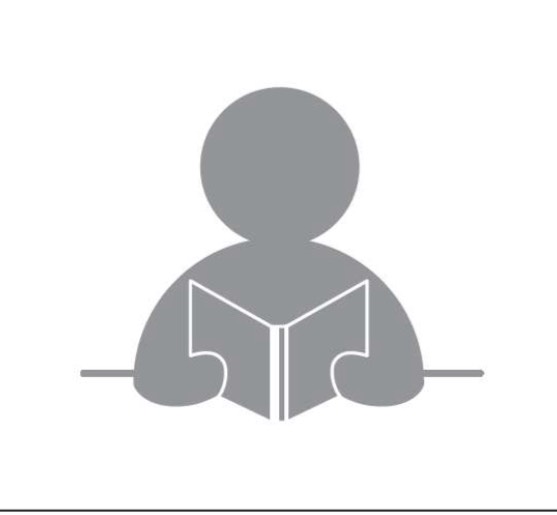
Now, please tell us your opinions to the questions below.
[Do you think people can understand this symbol easily? Why do you think so?]
解答 : (例)Yes, I do. In this symbol , we can see a book and a person reading it. So, people can easily understand that this place is for people who want to read books.
解説 : 【本文の日本語訳】
学校図書館のシンボル
下のシンボルマークを見てください。新しい校舎案内図のために、私たちはこれを学校図書館のシンボルとして作成しました。私たちは、多くの人がこのシンボルが図書館を意味することを理解してくれることを願っています。
さあ、下の質問に対するあなたの意見を聞かせてください。
【質問】
あなたはこのシンボルが簡単に理解できると思いますか? なぜそう思いますか?